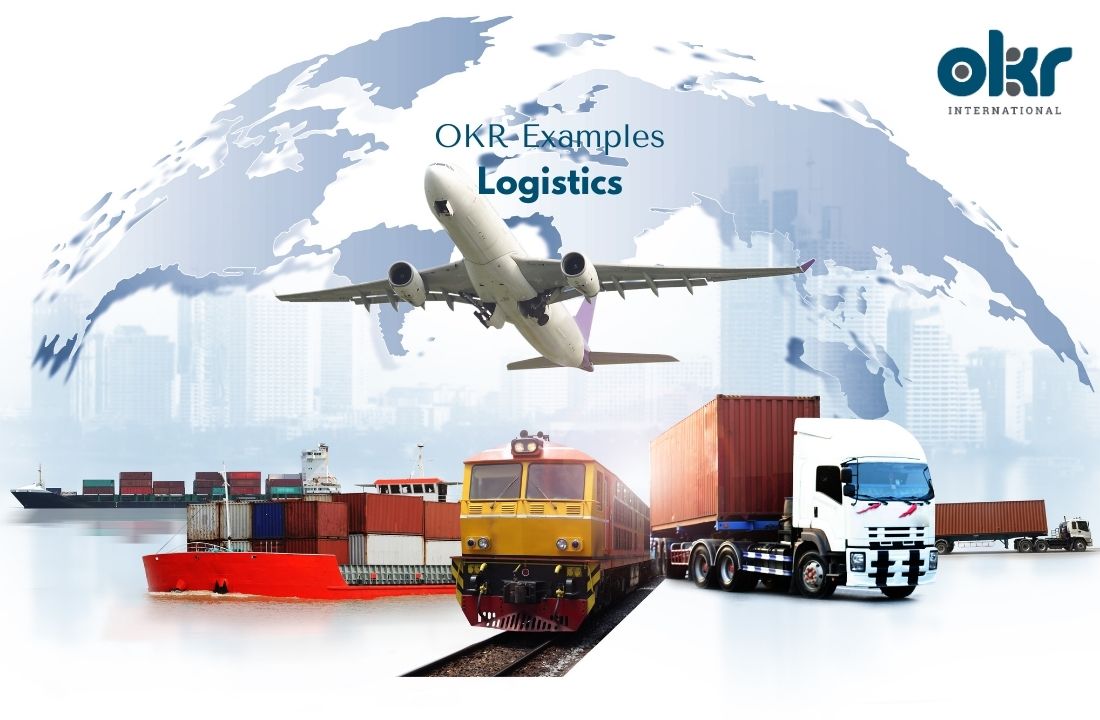
10 Groundbreaking OKR Examples in Logistics
The logistics industry is a dynamic field, characterized by its rapidly evolving technologies and growing customer expectations. For companies in this sector, Objectives and Key Results (OKRs) can provide an innovative framework for setting strategic goals, driving growth, and achieving operational excellence. In this piece, we present ten groundbreaking OKR examples in logistics, providing valuable guidance for companies seeking to excel in their performance.
1. Enhancing Supply Chain Visibility
Objective: Improve visibility across the supply chain to enable informed decision-making.
Key Results:
- Increase real-time tracking of goods by 60% within the next six months.
- Implement an advanced supply chain visibility platform in 85% of operations by the next quarter.
- Ensure 90% of stakeholders are satisfied with visibility improvements within the next three months.
2. Expanding Logistics Network
Objective: Extend the logistics network to reach more customers effectively.
Key Results:
- Add 3 new transportation routes in the next year.
- Achieve a 75% customer satisfaction rate in new markets within three months of launch.
- Increase revenue from new routes by 30% in the next six months.
3. Promoting Sustainability
Objective: Integrate sustainability into logistics practices.
Key Results:
- Reduce carbon footprint by 20% in the next year.
- Increase the usage of eco-friendly vehicles by 15% in the next 6 months.
- Achieve an 80% stakeholder satisfaction rate with sustainability initiatives in the next quarter.
4. Ensuring Regulatory Compliance
Objective: Maintain compliance with logistics regulations and standards.
Key Results:
- Reduce non-compliance issues by 50% within the next six months.
- Train 100% of the team on new regulatory changes within the next quarter.
- Pass all regulatory audits in the next fiscal year.
5. Improving Delivery Performance
Objective: Enhance delivery performance to ensure customer satisfaction.
Key Results:
- Reduce late deliveries by 20% in the next year.
- Achieve a successful first-attempt delivery rate of 95% in the next six months.
- Achieve a 90% customer satisfaction rate with delivery performance in the next quarter.
6. Strengthening Customer Relationships
Objective: Build stronger relationships with customers through excellent service.
Key Results:
- Increase customer trust scores by 20% in the next year.
- Decrease customer churn by 30% in the next six months.
- Achieve a 95% customer retention rate in the next quarter.
7. Expanding Market Presence
Objective: Grow market presence and reach more customers.
Key Results:
- Increase the customer base by 20% in the next year.
- Launch logistics services in two new markets within the next six months.
- Increase brand awareness scores by 30% in the next quarter.
8. Boosting Technological Innovation
Objective: Foster innovation in logistics processes and solutions.
Key Results:
- Implement two innovative logistics technologies within the next year.
- Increase the number of innovative projects by 20% in the next six months.
- Achieve a 70% employee satisfaction rate with the innovation culture in the next three months.
9. Improving Transport Management
Objective: Enhance transport management for better resource utilization.
Key Results:
- Reduce idle vehicle time by 50% within the next six months.
- Implement a proactive maintenance schedule in 90% of vehicles in the next quarter.
- Achieve a 95% driver satisfaction rate with transport management within the next three months.
10. Strengthening Risk Management
Objective: Enhance risk management practices to mitigate potential disruptions in logistics operations.
Key Results:
- Identify and assess 10 key operational risks and develop 5 mitigation strategies by the next quarter.
- Implement 1 comprehensive risk management framework across all logistics functions within the next year.
- Reduce the average risk severity rating by 15% within the next six months.
By leveraging these OKR (Objectives and Key Results) examples, companies within the logistics industry can optimize their operations, stimulate growth, and foster innovation. These strategic objectives are key to managing the challenges of this rapidly evolving sector, contributing to business success and delivering superior customer experiences.
FAQs
1. What are groundbreaking OKRs in the logistics industry?
Groundbreaking OKRs in the logistics industry are strategic objectives and key results that drive significant progress and foster innovation. They focus on areas such as supply chain visibility, network expansion, sustainability, compliance, delivery performance, customer relationships, market presence, technological innovation, warehouse efficiency, and transport management.
2. How can groundbreaking OKRs drive growth in the logistics industry?
Groundbreaking OKRs can drive growth in the logistics industry by setting objectives related to operational improvements, market expansion, customer satisfaction, technological innovation, and more. By measuring key results and implementing improvements, companies can enhance their performance, exceed customer expectations, and achieve sustainable growth.
3. Why is sustainability crucial in the logistics industry?
Sustainability is crucial in the logistics industry to meet evolving environmental regulations, customer expectations, and market demands. Groundbreaking OKRs related to sustainability help companies incorporate eco-friendly practices, reduce their carbon footprint, and achieve a positive impact on the environment.
4. How can technological innovation drive success in the logistics industry?
Technological innovation can drive success in the logistics industry by enhancing processes, improving efficiency, and enabling data-driven decision-making. Groundbreaking OKRs related to technological innovation help companies leverage emerging technologies, such as IoT, AI, and blockchain, to drive operational efficiency and deliver innovative solutions.
5. How does improved transport management impact the logistics industry?
Improved transport management impacts the logistics industry by enhancing resource utilization, reducing costs, and improving delivery performance. Groundbreaking OKRs related to transport management help companies optimize vehicle usage, implement proactive maintenance schedules, and achieve higher driver satisfaction rates.
For OKR examples across 30+ industries, visit OKR Examples hub for Industry Sectors.
For OKR examples across 45+ Functions, visit our OKR Examples for Functions

When looking to set OKRs, it’s natural to want examples to ignite the thought process or simply compare yours to OKR Examples. Check out our compendium of OKR Examples here.
Explore Our Range of Services
Bring OKRs (Objectives and Key Results) to your organisation with our tried & tested OKR Framework.


OKR International’s highly acclaimed Certified OKR Practitioner Program is the first and only OKR accreditation endorsed by ICF & HRCI for continuing education units.
OKR International helps leaders create the alignment, engagement and result orientation needed for growth by offering OKR Advisory services.